|
|
|
Home Import products organic fertilizers Import products organic fertilizers |
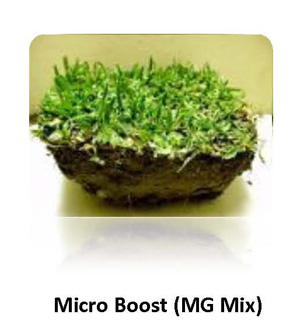
Micro Boost
A blend of Sugar chelated micro-nutrients, alfaketo and amino acids. Formulated for soil or foliar spray, to prevent and correct pre-existing deficiencies as indicated by plant leaf and soil testing. Since the ingredients in MICRO BOOST are 100% water soluble and immediately available to the plant, this product is extremely efficient as a foliar spray in situations where a rapid response is desired. Results are evident in one to two days after application. 0.5- 1.0 oz per gallon of water sprayed.
Super Hume/ Seaweed
"FOR STRESS RELIEF"
Combining the benefits of two products Super Hume and Seaweed. Seaweed is a fortified liquid and contains every nutrient known to man. Reduces stress. Reduces
Super Hume
Super Hume a highly concentrated liquefied Carbon source is derived from Leonardite. Leonardite is mined in the North Central United States and is the highest quality humic acid source available anywhere in the world. Super Hume has a direct effect on root growth, stronger stem calliper, soil moisture retention, and cation exchange capacity. Humates are also able to buffer Ph problems in the soil. Super Hume will not change the PH of the soil, but helps your crop handle the stress until the Ph problem can be corrected.
FE Mix
FeNergy is a specially designed liquid iron designed to give turf a boost of energy while supplying the necessary Iron needed for providing a natural healthy green shine. Special promoter are added to FeNergy which helps charge the plant/ turf’s metabolism. Use it to turn your grass green.
TURF: FeNergy can be used to replace most Iron liquid blends for Turf that is either suffering from Iron deficiency or for turf that needs an extra green sheen with a burst of energy for important events.
AGRICULTURE: FeNergy will help provide plants an iron supply when in the growth and development stages, when Iron Deficiencies are most commonly found.
AZAKARANJ
AZAKARANJ is oil based emulsified concentrate formulation (110% EC) consisting of a judicious mixture of neem oil obtained from Azadirachta Indica seeds and surfactant/ emulsifier. The action is due to the presence of several neem limonoids of which Azadirachtin is most important. Azadirachtin concentration is maintained at a level of ~2200 ppm in the formulation.
The formulation relieves the pest population by triple action activity of feeding deterrence and oviposition inhibitions as:
First as a anti-feedant, Azadirachtin is quite strong because when the insect ingest the neem treated material, they lose their appetite. Hence, the insect will prefer not to eat any longer on the treated surface. Second, AZAKARANJ is undesirable for insects. i.e. insects will fly away; therefore they will not ingest the treated crop and also not lay eggs in the farm. As a result the
Micro Boost (Zn 9%)
A fortified micro-nutrient liquid spray. Also contains alpha keto acids. Designed for soil and foliar application, to prevent and correct pre-existing deficiencies of iron, manganese, zinc as indicated by plant leaf and soil testing.
Specifications:
Chelated Zinc as (Zn) 9.00%
A fortified micro-nutrients liquid spray. Designed for soil and foliar application, to prevent and correct pre-existing deficiencies as indicated by plant leaf and soil testing.
Specifications:
Chelated Magnesium as (Mg) 2.50 %
Seaweed Powder
A pure ASCOPHYLLUM NODOSUM seaweed harvested from the clean icy waters of the North Atlantic. Used in a regular feeding program will supply the crop with a well balanced nutrient value and give added protection against stress conditions. (Ascophyllum Nodosum, Fucaceae) Composed of alginate, protein, fats, carbohydrates, marine salts, and trace elements.
Specifications:
Dry Matter :95%
Organic Matter: 42-54%
Ash (minerals) :42-54%
CROPMASTER TOMATO
PROGRAM
per 1000 m2
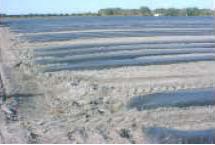
STEP 1
Pre - Plantin
Before you start
planting, you
need to prepare
the soil. These
products at preplant
will give
your plants a
higher survival rate.
Mix ratio / 17 liters
water
*Nitro-Fix 10 Grams
**SSP 75 cc
**SUPER HUME 200 cc
*Apply 14 days before planting
**Mix together and apply within 7 days before
planting |
 |
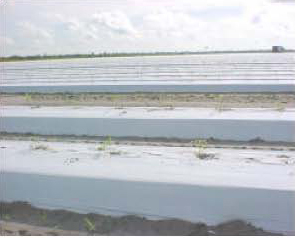
STEP 2
At Planting
When the
transplants
are placed in
the ground,
you add these
p r o d u c t s ,
below or next
to the root
zone. This
will help give
the plant a
quick start in
SUPER CAL 50 cc
SUPER HUME 100 cc
Mix with 17 liters of water, spray evenly on foliage
until run off. |
 |
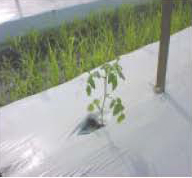
STEP 3 7
Days after planting
This is your growth
stage, it is necessary
to use a balanced
fertilizer, to give you
optimum Nitrogen
growth, while giving
equal balances of
Phosphorus and
potassium, with
Micro-Nutrients.
SUPER 10-8-8 125 cc Monday
Micro-Boost 75 cc Wednesday
SUPER HUME 50 cc Monday
SUPER CAL 50 cc Friday
Mix with 17 liters of water, spray evenly on foliage until
run off. Repeat every 7-10 days until bud set. |
 |
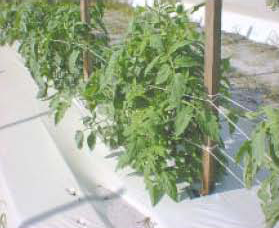
STEP 4
At Flowering
produce flowers. It’s fertilizer needs are different.
Switching fertilizer will help increase flowers which will
help increase
fruit.
Applying
pHORUS, you
can reduce
infestation of
blossom end rot.
SUPER 6-14-6 125 cc Tuesday
Bloom & Fruit 100 cc Tuesday
SSE 25 Grams Friday
**Mix with 17 liters of water, spray evenly on foliage until run
off.
Apply at flowering. Mix 6-14-6 and Bloom & Fruit together. |
 |
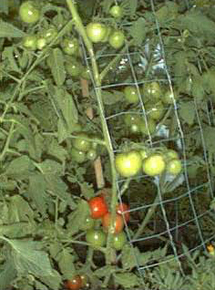
STEP 5
After Fruit sets
Tomatoes have moved
from the Blossom
production to the fruit
production stage. It’s
fertilizer requirements
have again changed.
It needs greater
amounts of
phosphorus and
potassium. To obtain
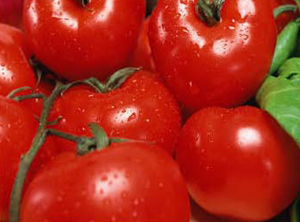
a better tasting,
brighter colored,
firmer and heavier,
higher quality tomato.
SUPER 6-14-6 100 cc
pHORUS 5-30-10 50 cc
SSE 25 Grams
Mix with 17 liters of water, spray evenly on foliage until
run off. Apply every 7-10 days with last spray no less than |
 |
Insecticides
When insects are
noticed
This Organic Insecticide is made from oil
extracts of Fish and Plants. Combined
together it is a very effective non toxic way
to control soft skinned insects that plague
tomatoes. (Thrips, Red Mit, White Fly,WIPE-OUT 1 Liter /100
liters of water
Apply when insects are active and apply again
5-7 days later if needed. Can be applied every
7 days if desired or needed. spray on Foliage
until even coverage is obtained. May cover
more than 1000 m2
CROPMASTER is a register trademark for Agricultural
products manufactured in the USA., by UAS of
America at 8721 Casper Ave., Hudson, Florida USA
Fax 727-861-7103 http://www.uas-cropmaster.com
This Product is distributed
in China by:
SUPER 6-14-6 100 cc
pHORUS 5-30-10 50 cc
SSE 25 Grams
Mix with 17 liters of water, spray evenly on foliage until
run off. Apply every 7-10 days with last spray no less than |
|
SOIL APPLIED
Nitro-Fix
Needed for giving soil fresh
nitrogen fixing Microbes.
SSP
Helps Aerate soil to give roots
a better un-compacted soil for
increased growth.
SUPER HUME
Helps balance the soil. Allows
better mineral transfer from soil
to roots. Aids in root growth.
Buffers pH condition
Super Cal
Builds cell walls. Necessary for
making Tomatoes firmer for
less bruising. Better taste, less
watery.
|
 |
FOLIAR FEED
Super 10-8-8
Necessary for growth. Gives proper
balance of nitrogen, phosphorus and
potassium.
Micro-Boost
Supplies the plant with proper levels of
Micro-Nutrients, needed for growth and
quality.
Super 6-14-6
Needed to supply the plant with the
essential phosphorus along with a
proper balance of nitrogen and potash
pHORUS 0-31-23
Gives the plant proper phosphorus and
potash levels when needed and helps
protect against fungal diseases.
Wipe-Out
Organic / Natural Insecticide. Controls
Soft Skinned pests that damage tomato
plants. Control lasts up to 1 week.
SSE
Water soluble Seaweed Powder. Cold
water variety. Contains Growth
Promoters and stimulants. |
FOLIAR FEEDING
SUPER 10-8-8
Necessary for growth, leafing, &
vegetation. Gives proper balance of
nitrogen, phosphorus and potassium
that plants need during the beginning
growth stages.
MICRO-BOOST MIX
Supplies the plant with proper levels of
Micro-Nutrients, needed for growth
and quality building every month.
SUPER 6-14-6
Needed to supply the plant with the
essential phosphorus mineral for
flowering & fruiting, along with a
proper balance of nitrogen and potash.
SUPER 3-18-
Supplies the plant with the essential
phosphorus and potash minerals
needed for enhanced fruit growth &
overall quality.
AZAKARANJ
NEEM OIL
Organic / Natural Insecticide. EPA
registered product. Controls a variety of
pests & nematodes that damage
vegetable plants. Control lasts up to 10
days, but depends on watering
schedule. |
SOIL APPLIED
SSP
SOIL CONDITIONER: Helps Aerate soil to give roots
a better uncompacted soil for increased growth.
SUPER HUME-SEAWEED MIX
Helps balance the soil. Allows better mineral transfer
fromsoil to plant roots. Aids in root growth. Buffers Ph
condition until it can be corrected. Water soluble
Seaweed Powder. Cold water variety. Contains Growth
Promoters and stimulants.
SUPER CAL 8%
Builds cell walls. Necessary for making Vegetables
firmer for less bruising. Better taste, less watery

Vegetable Program
SUPER 3-18-
Supplies the plant with the essential
phosphorus and potash minerals
needed for enhanced fruit growth &
overall quality.
*While on any program, proper watering is
recommended for your plants!!
*Necessary Nitrogen during the beginning stages of
growth, followed by higher phosphorus & potassium during
flowering & fruiting will supplement high yields when
using highest-quality ingredient fertilizers~
*Choose the name that knows your plants BEST*
CROPMASTER FERTILIZERS! |
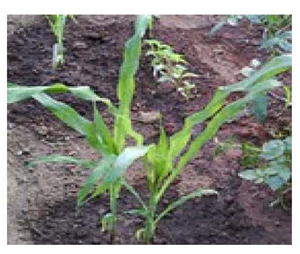
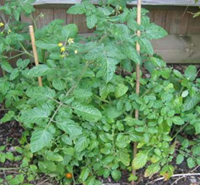
STEP 1 Pre - Planting
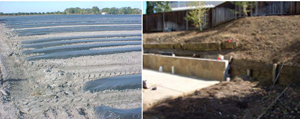
Before you start planting, you need to
prepare the soil. These products at pre-plant
will give your plants a higher survival rate.

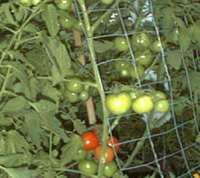
Tomato plant as a control using
regular NPK fertilizer
Tomato plant that used CROPMASTER’S
SUPER-HUME added in with same
regular NPK fertilizer
STEP 2 7 Days after
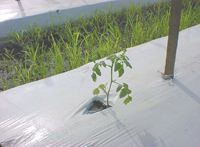
During the growth stage it is
necessary to use a slightly higher
Nitrogen fertilizer. It will help to
achieve optimum growth and
provide equal balances of
Phosphorus, potassium, along with
a Micro-Nutrient package.
|
STEP 3At Bud Set
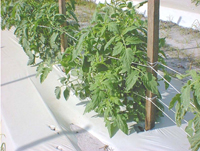
When your vegetables have grown
to be established and are ready to
produce flower buds, your plant’s
fertilizing needs will be different
to get optimum yields. Switching
fertilizer will help increase bud set
which will help increase fruit set &
size.
STEP 4After Fruit set
During this cycle, vegetables
have moved from
blossom production to the
fruit production stage. It’s
fertilizer requirements
have again changed,
greater amounts of
phosphorus and potassium
are needed now. Vegetables
will become better
tasting, brighter in color,
firmer and heavier; a
higher quality vegetable.

WIPEOUT
WipeOut is an Organic Insecticide, made from oil extracts
of Fish and Plants. This combination is a very effective non
- toxic way to control soft skinned insects that plague vegetables.
(Thrips, Red Mite, White Fly, Aphids)
**1% of tank volume. Apply when insects are active and
apply again 5-7 days later if needed. Can be applied every
7 days if desired or needed. Spray on foliage until even
coverage is obtained.
AZAKARANJ
Azakaranj is a 100% pure cold-pressed neem oil containing
the main ingredient Azadirachtin. It is 3000 ppm and
is EPA registered under the name Azakaranj. It is used for
a variety of different insects, including nematodes.
**Typical solution for most insects is 1.1%. Requires the
“Combine” emulsifying agent to be blended with water in
a tank solution.
 |
 |
 |
DIVINE ORGANICS:- for HUMAN, FERTILIZERS, & ANIMAL FEEDS :
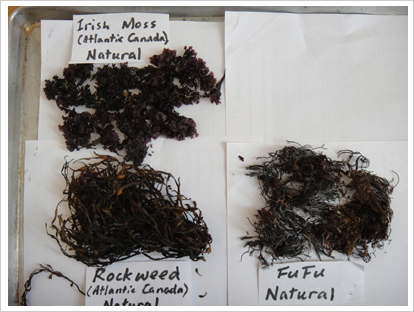
IRISH MOSS
FUFU or FURCELLARIA
KELP
ROCKWEED MIX
5) SEAWEED MIX
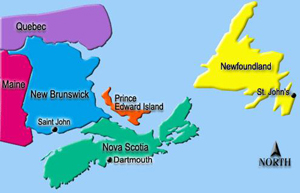
Seaweed Products of Atlantic Canada
SPECIFICATIONS / ANALYSIS:
1) Canada Food Inspection Agency (CFIA) Approved
- Health Certificate issued
- Certificate of Origin issued
2) Dryness to 18% in Containers for Sea-Shipping.
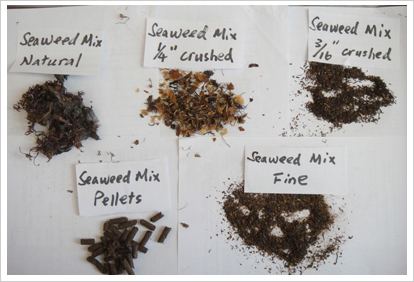
APPLICATIONS:
HUMAN
1) IRISH MOSS
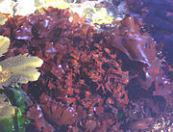
Purple moss in nature
What it is:
Irish moss, or carrageen moss (Irish: carraigín, “little rock”), is a species of seaweed which grows abundantly along the rocky parts of the Atlantic coast of Europe and the Americas as well as parts in the Pacific. In its fresh condition the plant is soft and cartilaginous, varying in color from a greenish-yellow, through red, to a dark purple or purplish-brown. The principal constituent of Irish moss is a mucilaginous body, made of the polysaccharide Carragenan of which it contains about 55%; the plant also has nearly 10% of protein and about 15% minerals, specifically rich in iodine and sulfur. Because of the abundant cell wall polysaccharides it will form a jelly when boiled or processed with water expanding from 20 to 100 times of its weight.
Use in the food industry:
Irish moss is used in bulk by the food industry to make jellies or aspic and as a smooth binder. This can go from ice creams, deserts, drinks, savory foods and flans.
Cosmetically used:
Emulsifier in skin creams, gels, shampoos, and as a skin softener. And it nourishes and protects your skin from environmental elements. It is an anti-tissue, and effective against halitosis, the formation varicose veins.
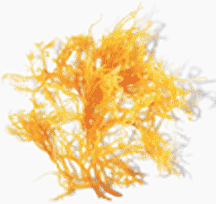
rish Moss , when mixed to body lotions, turns your dry, rough, patchy skin into smooth, silky, hydrated, glowing skin . It moisturizes and treats even the most unmanageable skin problems , including eczema, psoriasis, rashes and sunburns . It supports skin’s natural moisture barrier-keeps harmful, drying external elements out and beneficial moisture in. Helps support healthy skin appearance.
Health Benefits:
Irish Moss contains A,B,C,D vitamins that nourishes the skin In addition to its functional benefits. Raw Irish Moss is an excellent source of minerals. This almost-tasteless seaweed is loaded with life-enhancing nutrients such as sulphur compounds, protein, iodine, bromine, beta-carotene, calcium, iron, magnesium, manganese, phosphorus, potassium, selenium, zinc, pectin, B-vitamins and vitamin C. Notably absent from a vegetarian diet, sulphur-containing amino acids, such as taurine, are abundant in Irish moss, more so than in any other type of seaweed!
it has been used to treat peptic and duodenal ulcers when used as a gelatinous substance and to inhibit arteriosclerosis. Irish moss is reported to be effective against, cancer and radiation poisoning (possibly because of the iodine content of Irish moss), it protects from obesity and cholesterol build up. Irish moss has a well documented anticoagulant effect on the blood, and clears up many bladder complaints. Irish Moss gives excellent sources of calcium, magnesium, sodium and iodine (essential to normal thyroid function).
It is used to increase the metabolic rate and give strengthen connective tissues, including the hair, skin and nails.
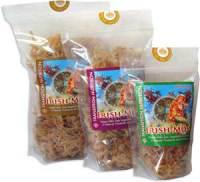
RAW FOOD PREPARATION:
HOW TO SOAK IRISH MOSS:
Place a handful or all of your Irish Moss into a tall container. Rinse well 3 or 4 times and let soak up to 6 hours in the fridge. Change the water at least twice a day. Check on hidden sand, small stones or other impurities. Don’t worry about the “fragrance” when the sea moss is ready to use, it is practically odorless and tasteless.
If you do not have enough time you may soak the Irish Moss in lukewarm water for a few hours only. However, it will lessen a little of its gelatinous effect and you should use a little more in your recipe. The moss is ready when it has a creamy white color and nearly double size and weight than its dry original state.
HOW TO USE IRISH MOSS:
According to your recipe blend the Irish Moss and water together until it is well broken down and very creamy. Before adding other ingredients make sure that you blend all chunks of the moss which might kept sticking on the lid and the walls of the blender. Irish Moss will make any liquid fluffy and is a substitute for gelatin and other thickeners such as agar agar, pectin, soy lecithin, tapioca or corn starch.
HOW TO STORE IRISH MOSS:
Dry Irish Moss can stay up to a year in a cool dry place as the salt will preserve it. If you have soaked more Irish Moss than you need you may keep it in the fridge and change the water every day and it will keep fresh up to 3 weeks. You may also blend the Moss with little water until you get a thick creamy consistency and store it in a closed glass jar in the fridge for up to 3 weeks, this is a nice idea when you frequently use Irish Moss, and you have the paste ready.
Estimated Production of Carrageen-Bearing Seaweeds
|
1971 |
1972 |
1973 |
1974 |
Canadaa |
36.7 |
24.9 |
34.2 |
60.2 |
Indonesiac |
19.4 |
18.6 |
16.6 |
(15.0) |
Franceb |
3.7 |
2.6 |
3.8 |
4.0 |
Mexicoc |
2.5 |
2.0 |
2.5 |
(2.5) |
U.S.A.a |
1.4 |
0.9 |
1.1 |
2.2 |
Tanzaniad |
0.1 |
0.1 |
0.1 |
0.2 |
Madagascare |
1.5 |
1.5 |
1.5 |
1.5 |
Argentinaf |
0.2 |
0.1 |
0.0 |
(0.0) |
Moroccof |
0.1 |
0.1 |
0.1 |
(0.1) |
Philippinesg |
0.3 |
0.4 |
0.7 |
5.5h |
Irelandi |
3.6 |
3.6 |
3.6 |
3.6 |
Others (estimate) |
1.0 |
1.0 |
1.0 |
1.0 |
Total (approx.) |
70.4 |
55.6 |
65.6 |
(96.0) |
|
2) FUFU or FURCELLARIA or FURCELLARAN
Irish moss rakers in West Prince, PEI, Canada were able to extend their season by two weeks recently by participating in the harvest of another marine rock plant, Furcellaria. Area harvesters commonly refer to the seaweed as FuFu.
FuFu or Furcellaria or Furcellaran In the course of the last 30 years a new phycocolloid, furcellaran, has gained an important position in the gum market. Based on the red seaweed Furcellaria fastigiata, which is present along many coasts of the North Atlantic and its adjacent seas, but above all in the Kattegat, it began as a substitute for agar but has found many special uses as a gelling and thickening agent. Although originally known as Danish agar, its properties most closely resemble those of K-type carrageenan.
Production of this phycocolloid is centred in Denmark, although there is evidence of at least experimental extraction in Poland2 and the likelihood of commercial processing in the U.S.S.R.3 Between 20 000 and 30 000 tons (wet weight) of locally harvested Furcellaria and imports from Canada are now processed each year in Denmark. Output of furcellaran has risen steadily from about 100 tons in 1950, to around 500 tons per annum by the mid 1950s and reached between 700 and 1 000 tons annually during the 1960s. In recent years, production has been of the order of 1 200 per annum, prices varying between U.S.$ 3.20 and U.S.$ 5.0 per kg.
This growth in production has been achieved not only by bigger harvests but by improved processing efficiency, permitting yields of 1 kg of furcellaran per 25 kg of (wet) weed, compared with 40 kg of weed in the earlier stages of development.
The processing methods, which are not dissimilar to modern agar processing techniques, are described in Whistler (1973) as follows:
the washed Furcellaria is pre-treated in concrete tanks with an alkaline solution for one or two weeks. If immediate extraction is not envisaged, the pre-treated weed can be dried and stored;
the weed is boiled in water, either in open vessels or pressure cookers, and the extract obtained by filtration and centrifugation;
the extract is concentrated by vacuum evaporization and precipitated as gelled threads by a solution of potassium chloride;
the threads are drained and frozen in a brine freezer for 20–30 hours;
after thawing in a potassium chloride solution, the gel precipitate is pressed or centrifuged into a fibrous mass containing about 15 percent dry substance;
the material is dried, ground and sifted into a powder;
standardized products can then be made by blending different batches and additives.
Furcellaran has become of particular importance in the production of milk pudding powders and fruit and other jellies. Over 90 percent of total output of the gum is used in food products, including jams and other preserves, fruit juices, meat and fish preparations and in beer brewing. It is also used in the cosmetic industry, especially for toothpastes, and in dietetic and baby food preparations. A notable feature is the successful combination of furcellaran with other gums or thickening agents, such as carrageenan, locust bean gum, guar gum and sucrose, to produce gelling products with special properties.
3) KELP
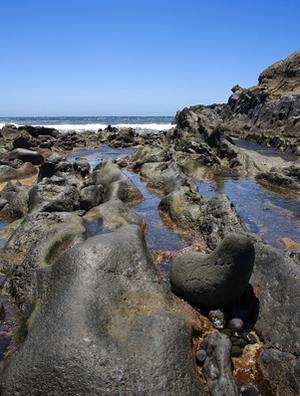
Kelp, a brown leafy edible seaweed that grows along colder coastlines, has been used for thousands of years in traditional medicine to treat a variety of health issues. It started to gain interest as a supplement in the 1980s when sea vegetables became a popular form of supplementation. As with any supplement, discuss using kelp with your doctor.
Traditional Use Kelp has been used in Asian cooking for thousands of years. In Chinese is is called kunbu and is one of the main seaweeds used in the Chinese medicine. Traditional Chinese medicine uses kelp to treat enlarged thyroid glands, swelling, cysts, liver problems, tumors and phlegm. In the 18th century, when kelp's iodine content was discovered, conventional medicine used it to treat goiter, an enlarged thyroid, typically caused by iodine deficiency in the diet.
Vitamins In 2 tbsp.,1/8 cup, of fresh, raw kelp there is 0.3 mg vitamin C, 0.005 mg thiamin, 0.015 mg riboflavin, 0.047 mg niacin, 0.064 mg pantothenic acid, 18 mcg folate, 1.3 mg choline, 1 mcg vitamin A, 0.09 mg vitamin E and 6.6 mcg vitamin K. To put this in perspective, comparing the amounts to the Recommended Daily Allowances of an adult male, 2 tbsp. of raw kelp provides 0.3 percent vitamin C, 0.42 percent thiamin, 1.2 percent riboflavin, 0.3 percent niacin, 1.3 percent pantothenic acid, 4.5 percent folate, 0.2 percent choline, 0.1 percent vitamin A, 0.4 percent vitamin E and 5.5 percent vitamin K.
Minerals In 2 tbsp., 1/8 cup, of fresh, raw kelp there is 17 mg calcium, 0.28 mg iron, 12 mg magnesium, 4 mg phosphorous, 9 mg potassium, 23 mg sodium, 0.12 mg zinc, 0.013 mg copper, 0.02 mg manganese, and 0.1 mcg selenium. Comparing these amounts to the Recommended Daily Amounts of an adult male, 2 tbsp. fresh, raw kelp provides 1.7 percent calcium, 3.5 percent iron, 3 percent magnesium, 0.6 percent phosphorus, 0.2 percent potassium, 1.5 percent sodium, 1 percent zinc, 1.4 percent copper, 1 percent manganese, and 6.7 percent selenium. The mineral kelp is known for is iodine because 2 tbsp. raw kelp contains between 500 and 8,000 mcg of iodine, which is 300 percent to 5,333 percent of the recommended amount for an adult male.
Kelp as a Supplement The high natural iodine content of kelp makes it a natural food or supplement to combat iodine deficiency. Because the amount of iodine varies so much in kelp, be aware you could experience iodine toxicity if you eat too much. Two or three servings a week should provide ample iodine to the diet, notes VeganHealth.org. Kelp is marketed as a weight loss aid by apparently helping to reduce cravings, and there are claims that it can help prevent cancer and other diseases as its high vitamin and mineral content help the body to regenerate, reports the American Cancer Society. At this time, there is no reliable clinical evidence to prove these claims
.Agar, Carrageenan, Furcellaran and Algin are by far the most important seaweed extracts in present commercial use.
4) ROCKWEED or FUCUS VESICULOSUS

Description?
Fucus vesiculosus varies in color from olive green to olive brown to reddish brown to almost black and is typically about 40 centimeters in length (although fronds can grow longer). It attaches to rocky substrates by means of a small disc-shaped holdfast.? Fucus vesiculosus is characterized by the small nearly spherical gas–filled vesicles (bladders) which look like bubblewrap and occur in pairs one on either side of an obvious central midrib running along the center of the strap-like frond. The flattened, branching fronds can grow from one to two meters in length, and the air-filled bladders which keep the seaweed floating upright in its rocky anchorages increase its ability to photosynthesize. Typically it grows gregariously, forming dense mats of long ribbons up to one meter long and five centimeters across. The appearance of Fucus vesiculosus varies depending on the environmental conditions in which it occurs; in more sheltered areas there are many air bladders, whereas there are fewer in more exposed conditions. Also, in small plants, air bladders may be entirely absent.? In exposed areas, it is beneficial for Fucus vesiculosus to lack bladders, as this decreases the potential for severe damage, and minimizes the risk of it being detached and swept away.
Fucus vesiculosus grows grows profusely in a wide variety of situations from exposed rocky shores to saline lagoons, although it is most common on sheltered rocky substrata of the middle intertidal rocky shore, subject to some degree of disturbance such as from tidal scour. It is especially common on sheltered shores from the middle littoral to lower intertidal levels, and more rare on exposed shores with strong tidal strength where any specimens may be short, stunted, and without the air vesicles. As Fucus vesiculosus survives in a wide range of exposures, it can grow more than 0.5 centimeters per week in optimum sheltered summer conditions, eventually reaching sizes of up to 1.5 and 2 meters, and achieve a life span of up to five years.
Names
an fheamainn bhuilgineach, an fheamainn dhubh, blaaswier, black tang, black tany, bladder fucus, bladder wrack, bl?retang, Blasentang, blisting, bloeretang, bodelha vesicular, cosa cruadha, cosa dubha, cut weed, cutweed, dyer's fucus, dyers fucus, encina marina, feamainn bhuilgíneach, feamla, feamra, fuco, fuco vesicular, fucus, fucus tips, fucus vésiculeux, gemeiner Blasentang, gewone zeeik, goemon, jelly bags, kelp-ware, lady wrack, Meereiche, Meeriche, morszczyn pcherzykowaty, murach dubh, paddy tang, popping wrack, popweed, quercus marina, raquet, red fucus, rock wrack, rockweed, rockwrack, sargazo vejigoso, sargazo vesiculoso, sea oak, sea ware, sea wrack, sea-ware, seatang, seawrack, Seetang, swine tang, varech, varech vésiculeux, vésiculeux
Phylum Classification
Ochrophyta
Geographic Distribution?
Fucus vesiculosus is found on the coasts of the North Sea, the western Baltic Sea, and the Atlantic and Pacific Oceans. It occurs around the coastline of Greenland, Britain, Ireland, Norway, the Atlantic coast of France, Spain and Morocco, and the Atlantic coasts of Canada and the United States from Hudson Bay to North Carolina.
Uses
Over 100 types of products from Italy, UK, Ireland, France, Australia, the United States, and Canada include Fucus vesiculosus as an ingredient. Some of these are very expensive personal care and cosmetics products from leading sellers and brands. Product types include anti-aging products, firming and slenderizing gels, muds, and creams, anti-cellulite products, eye gels, and toners. There are facial and body masques, exfoliating lotions and soaps, scrubs, cleansers, and cleansing muds. For bath and shower, one can purchase bath soaks, bubble baths, shower gels, body wash, shampoos, and conditioners.Additional skin treatments include night creams, day creams, hand creams, massage oils, moisturizing lotions, and sunscreens. For health, Fucus vesiculosus is in nutrition and diet supplements for humans, pets, horses, and other animals, including iodine supplements. It can be found in different semi-processed forms such as flakes and powders for gardens and crops, and is also in many fertilizers.
Primary chemical constituents of Fucus vesiculosus include mucilage, algin, mannitol, beta-carotene, zeaxanthin, iodine and iodine salts, bromine, potassium, volatile oils, and many other minerals, as well as polysaccharides.When used in hot seawater baths or steamed the plants are said to release certain substances that promote good skin, lower blood pressure and ease arthritic and rheumatic pains. Fucus vesiculosus has been shown to help women with abnormal menstrual cycling patterns and menstrual-related disease histories. A popular use of Fucus vesiculosus in herbal medicine is as a source of iodine (it was the original source of iodine, discovered in 1811), an essential nutrient for the thyroid gland; it can be used in the treatment of underactive thyroid glands (hypothyroidism) and goitre, a swelling of the thyroid gland related to iodine deficiency.
Its ability as a thyroid stimulant may also help counter obesity by increasing metabolic rate. Fucus vesiculosus is reported to activate the flow of lymph, which reduces swelling and fluid retention.Even though iodine is present in seaweeds in relatively low quantities, it appears that its effects are reinforced and synergised by the presence of other substances (sugars, amino acids, mineral salts) so as to form a complex, the active function of which is to demolish deposits of hypodermic lipids. Preparations including iodine have been used in beauty treatments for cellulite thanks to the degenerative effect of the iodine on the cells in subcutaneous fatty tissue. Fucus vesiculosus is also recognized for its softening, emollient and invigorating effects, and therefore it can be put to good use also in the preparation of cosmetics for skin which is dry, faded and aging. Fucus vesiculosus is commonly used as a food in Japan, though less so in Europe and North America. It can be stored dried, and make a nutritious tea, and added to soups and stews in flakes or powder form for flavor.
Harvesting
Fucus vesiculosus is primarily harvested in France, Ireland, UK, Canada, and the United States.
Harvesting Techniques
As Fucus vesiculosus is an intertidal species, it is typically hand harvested at low tide with small knives or scissors.? One recommendation is to cut at a height of 15 to 25 centimeters above the holdfast.
5) SEAWEED MIX - HUMAN
Vitamins and Minerals
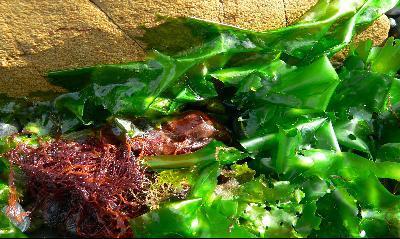
Seaweed may not seem like a traditional food to incorporate into your diet, but it contains a wealth of vitamins and minerals. The seaweed typically seen wrapping sushi rolls is called nori. The high nutritional value and low fat content of this and other sea vegetables make them worth looking into to add to your meals.
Iodine is an important mineral for health, and seaweed contains large amounts of iodine. This mineral is essential for healthy thyroid functioning. Iodine deficiency is the most common cause of preventable brain damage, notes the Linus Pauling Institute. Brown algae has the highest iodine content, but red and green algae contain more than enough iodine for the recommended daily allowance. According to the Institute for Traditional Medicine, adults should consume 150 micrograms per day; 1 g of brown algae has 500 to 8,000 micrograms of iodine, and 1 g of green or red algae can provide 100 to 300 micrograms.
Lose 15 lbs in 4 Weeks? Discover the Shocking Truth About Canada's Hottest Diet
Calcium keeps the heart, muscles, nerves and body systems working properly and helps build strong bones and teeth. Seaweed is a plant source rich in calcium, with approximately 70 mg of calcium in 1 g of dried seaweed. Adults ages 19 to 50 need 1,000 mg daily, and those over 50 need about 1,500 mg of calcium daily, according to the University of Maryland Medical Center. Adding seaweed to your diet can help you add to your daily calcium totals.
B Vitamins some types of seaweed, especially nori, contain a range of B vitamins. Nori is one of the few plant sources of vitamin B-12, which is necessary for red blood cell formation, DNA synthesis and proper neurological functioning. The other B vitamins are important for promoting healthy growth and development, helping turn food into energy, producing blood cells, breaking down protein and helping the body produce and maintain DNA.
Omega-3 Fatty Acids Seaweed, especially algae, is a good source of omega-3 fatty acids.
Omega-3s must be obtained through the diet because the human body does not produce them.
Omega-3 fatty acids reduce inflammation, aid in cognitive and behavioral functioning and reduce the risk of heart disease by lowering cholesterol and blood pressure.
Animal Feeds
The use of seaweeds as an animal feed has a long history in coastal areas where the material is readily available. In recent times the practice has become more widespread by the establishment of processing plants to dry and grind the weed into a meal for use as an additive to stock feeds. These practices appear largely to be restricted to northern Europe - especially Norway, Denmark, Iceland, Ireland, Scotland and France - and parts of North America, although reference can be found to such uses in Hong Kong and the islands of the Bering Sea (Kirby, 1953), New Zealand (Chapman, 1970) and South Africa (Druehl, 1972).
A typical example of this use is given by Hallsen (1964) who describes the long tradition in Iceland of directly grazing sheep and, to a lesser extent, horses, on seaweedstrewn beaches. He notes, however, that there is no scientific proof of any especially beneficial effects upon fattening, wool production or fertility. The production of a seaweed meal in Iceland, based upon Ascophyllum nodosum, was first attempted in 1939/41 and restarted in 1960, the product being sold on the home market as a supplementary feed; incorporation of seaweed meal in the basic hay ration has been shown to improve the fertility of sheep but, in general, with less marked effect than with a supplement of herring meal.
In addition to the abundance of the basic raw materials (brown seaweeds, mainly Ascophyllum and Laminaria) seaweed meal is a rich source of minerals, vitamins and trace elements. Druehl (1972) noting that the literature abounds with testimonials to its benefits, estimated that world production is of the order of 50 000 tons per annum. This is probably an underestimate, production in Ireland alone being reported to be 35 000 to 40 000 tons in the mid 1960s (Chapman, 1970); Norway is also a substantial producer, and total world output may currently be of the order of 100 000 tons. The utilization value of seaweed meal has been shown to vary considerably, according to the species used and the type of animal fed; poor digestibility coefficients have, in a number of cases, created special problems. Black (1955) considered that seaweed meal could be included in the rations of most animals (including poultry) up to at least 10 percent without any detrimental effect, a conclusion supported by Chapman (1970) with the proviso that its use for pigs does not seem desirable and that further work on sheep breeds is necessary. Silverthorne and Sorensen (1971) noted that there is conflicting evidence whether seaweed meals are more beneficial than standard mineral supplements and concluded that, as an animal food supplement, seaweeds have not shown any definite advantages over alternative additives.
Nevertheless, in the light of the present and prospective world food situation, the more widespread use of seaweed meals merits further attention. As indicated by Black as long ago as 1955, the substitution - and release for other uses - of cereals by seaweed meal in the basic feed rations may in certain instances by justifiable both economically and socially.
Fertilizers
Perhaps the longest established, most widespread and most provenly effective use of seaweed is as a fertilizer. Wherever proximity to the coast has made access to the resource possible, seaweeds have been applied for many centuries to the land as a direct and simple manure. Since 1950 liquid seaweed products have enabled this practice to be extended, both geographically and in terms of specific uses.
The large brown algae, for example Macrocystis and Ascophyllum, are the principal species used for manure. Their value as a fertilizer derives not so much from their nitrogen, phosphorus and potassium contents but rather from their unusual properties as a soil conditioner and growth promoter. Seaweed fertilizer has been demonstrated to produce positive effects additional to those to be expected from their content of N, K and P.1 For example, seaweeds and liquid seaweed manures appear to promote resistance to plant diseases and plant pests, induce fruit setting and increase germination rates.
The coastal region of northwest France is a particularly striking example of the traditional use of seaweed as a manure. Along virtually the entire narrow coastal strip, the peasant farmers apply both drift-weed ("goemon epave") and cut-weed ("goemon de derive") to grain crops, especially barley, potatoes, vegetables and vines, with highly beneficial results. The consistent use of seaweed manure is said to obviate any need for crop rotation. In some areas, notably Brittany, certain species of red seaweeds (known collectively as "maerl") are collected, finely ground and are used because of their high calcium carbonate content instead of lime on acidy or peaty soils.
Transport problems of necessity restrict the use of seaweed as a direct, orthodox manure to areas upon or close to the coastline. However, with the introduction of liquid seaweed products, the use of seaweed as a fertilizer has become more widespread. The development of these products and the rapid growth in the U.K. of demand from the retail market in gardening aids, as well as from commercial horticulture and agriculture, was reviewed by Booth (1969) in a special lecture at the Sixth International Seaweed Symposium. Comprehensive data on the output of liquid seaweed fertilizers are not available but the U.K. is believed to be the major producer with an output (in the mid 1960s) estimated2 to be some 250 000 gallons per annum. Certainly this sector of the seaweed industry appears to have potential for further expansion.
PACKINGS & LOGISTICS
H.S. Code: 1212.20.00
Weight (Unit): 210 lb or 95kg Bale
Quantity & Unit of Measure: 262 Units/ 25,000kg or 25 Metric Tons/ 40HC, F.O.B. Port of Halifax, Province of Nova Scotia, Canada
PRICE:
Canadian Dollar:- $1.50 per lb. or $3.30 per kg. or $3,300 per Metric Ton
INVOICE/ TERMS OF PAYMENT:
Wire T/T 100% Total to Bank of Montreal,
Bank Code
Transit Number
Account Number
Swift Code
T/T 100% Five (5)working days after Buyer/Consignee receiving the the following:
Scan-Copies by email:- Copy of Original Invoice/Copy of Original Packing Slip/Copies of CFIA Certificate & Origin/Copy of SeaWayBill;
Thereafter, 3 Original Invoices/3 Original Packing Slips/1 Original CFIA Certificate/Copy of SeaWayBill will be sent by FedEx to China |
|